[Book Review] Simplicity: Sustainable, Humane, and Effective Software Development
- In the AI era, implementation is cheaper than ever, but complexity arrives much faster, making simplicity a more valuable skill.
- The book revolves around Ward Cunningham's idea of building the simplest thing that could possibly work, then refining it through repeated hypothesis, design, and analysis.
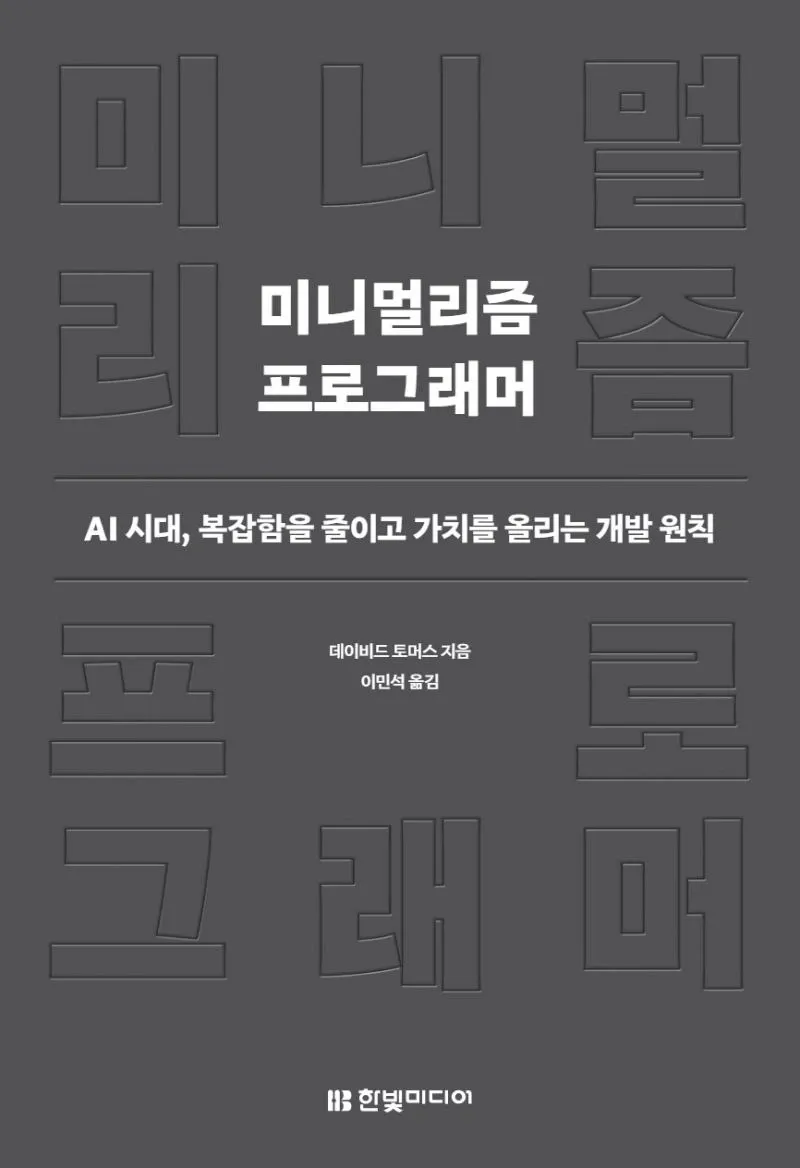
"This review was written as part of the Hanbit Media Reviewer Program, where I received a complimentary copy of the book."Why I Picked Up This Book
The author, David Thomas, is often called Pragmatic Dave and is also one of the 17 signatories of the Agile Manifesto. I think I read The Pragmatic Programmer about ten years ago, but I had no idea this book was written by the same person. I only realized it because the book mentions it directly. As I kept reading, I had this odd sense of familiarity, so I looked it up and found out that, yes, it was the same author.
A Book That Feels Even More Relevant in the AI Era
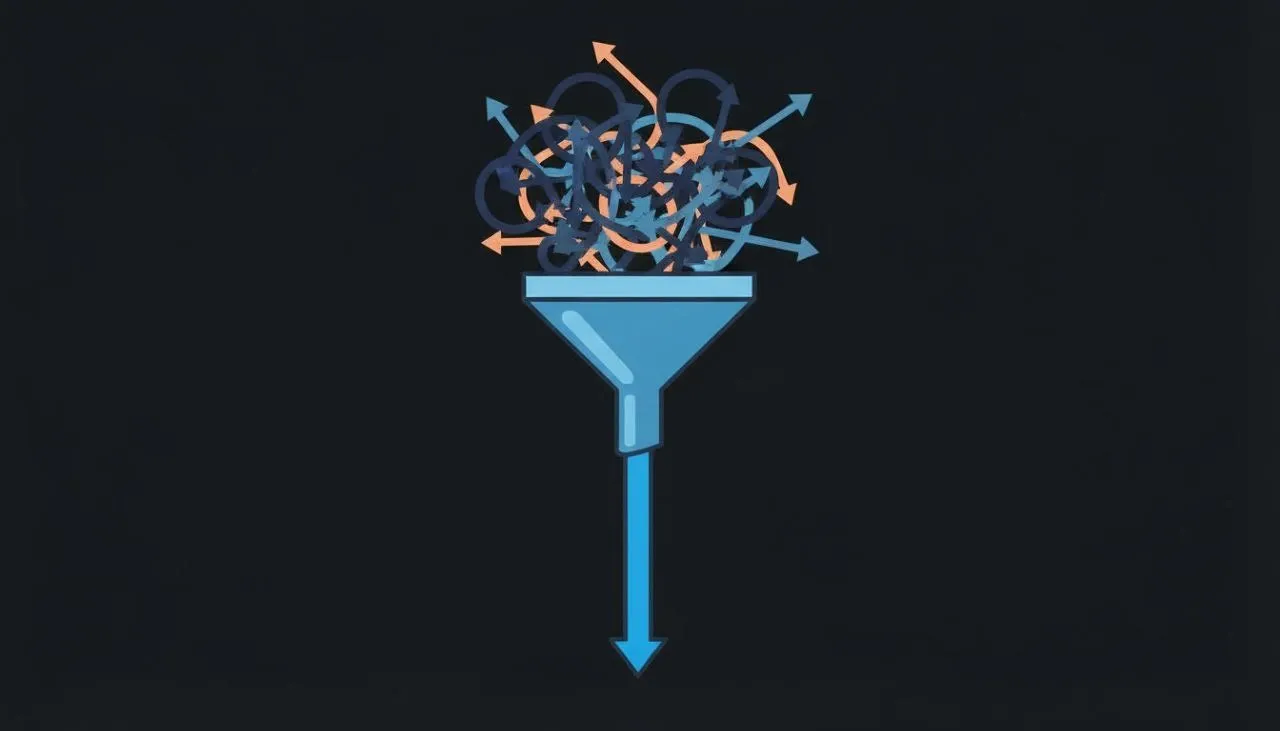
This book hits harder right now for a simple reason. Thanks to AI, the implementation cost of an idea has dropped dramatically. Because of that, we run into complexity and complicatedness much more easily. In the past, the sheer cost of building something acted as a filter. Now that filter is mostly gone.
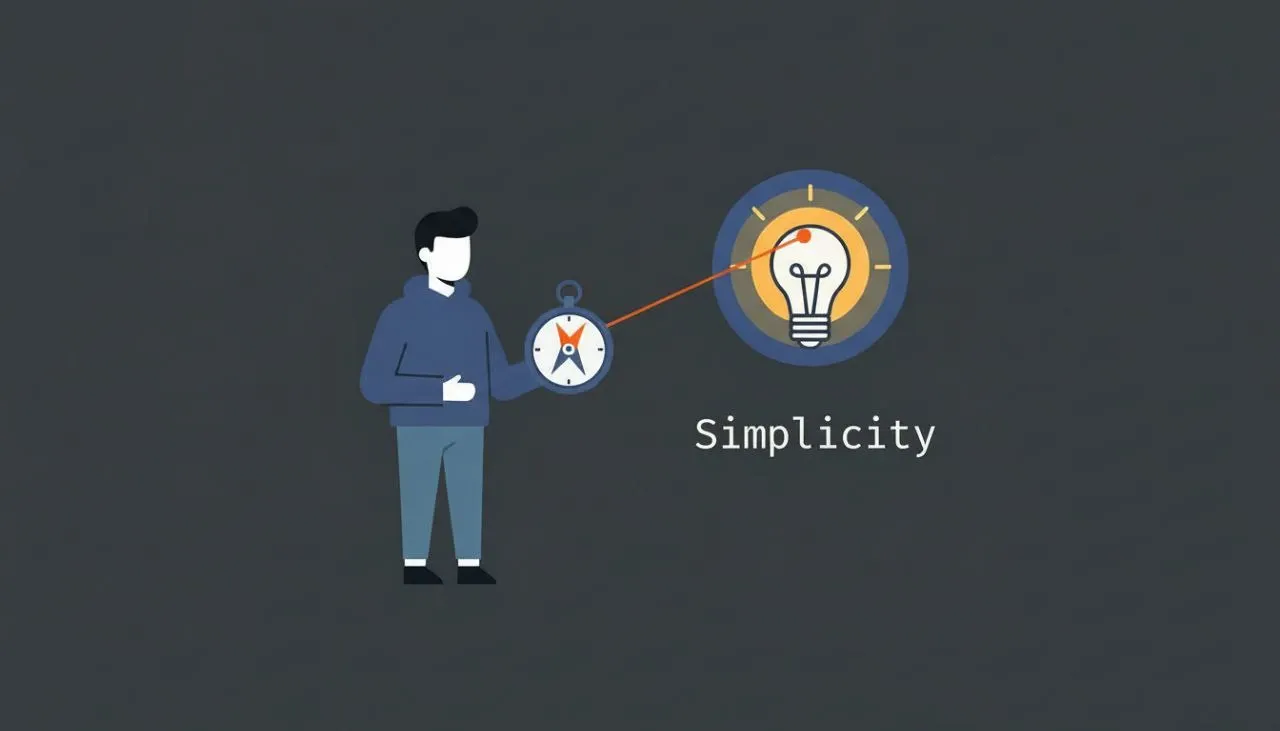
The quote from Ward Cunningham in the introduction is probably the shortest possible summary of the book: "What's the simplest thing that could possibly work?" Of course, there is no universal answer. It depends on the situation, which is why you have to internalize the loop of hypothesis → design → analysis through repetition.
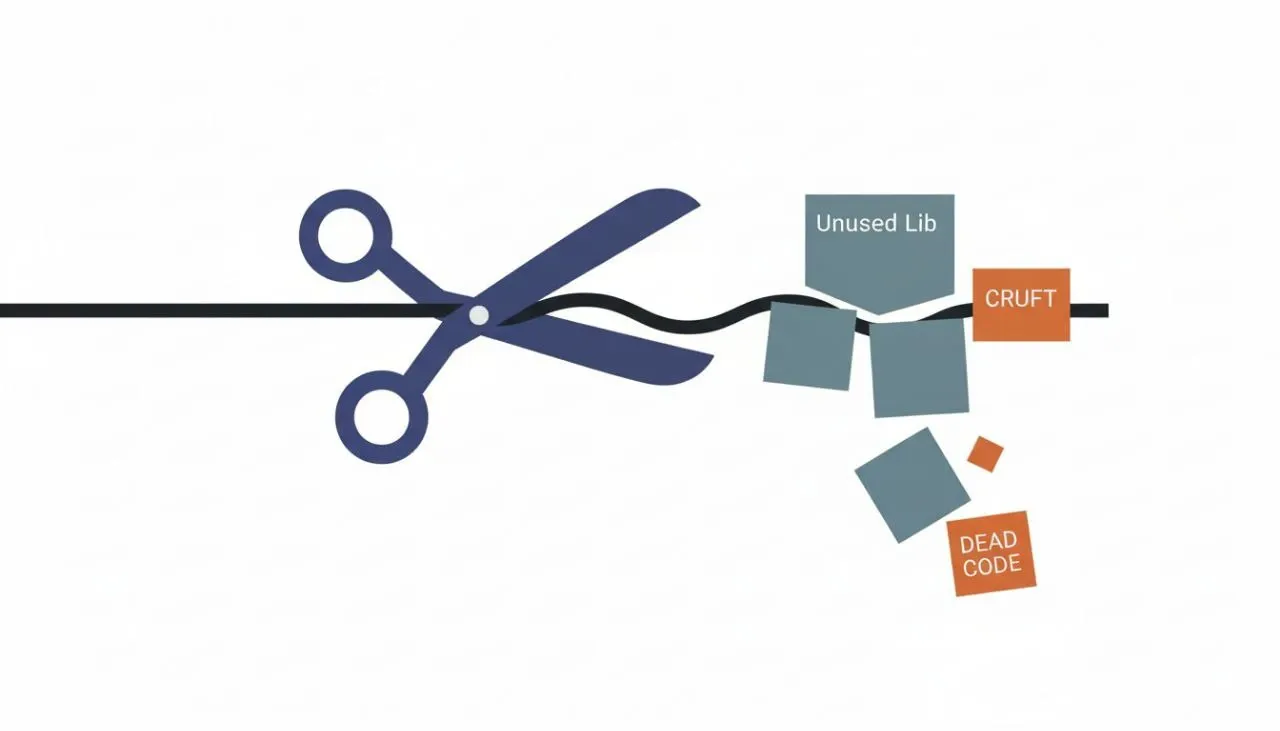
Unnecessary Dependencies
If you want simplicity, the first step is removing what you do not need. The book quotes Joe Armstrong's famous metaphor: you wanted a banana, but what you got was a gorilla holding the banana and the entire jungle.
It also applies the same thinking to frameworks and libraries. One habit I picked up about ten years ago while doing a keto diet was reading ingredient labels carefully to check whether foods contained unnecessary sugar or other junk. Frameworks and libraries should be treated the same way. Instead of looking only at fork counts or GitHub stars, you should read the label and ask whether you are bringing in unnecessary complexity just to solve one problem.
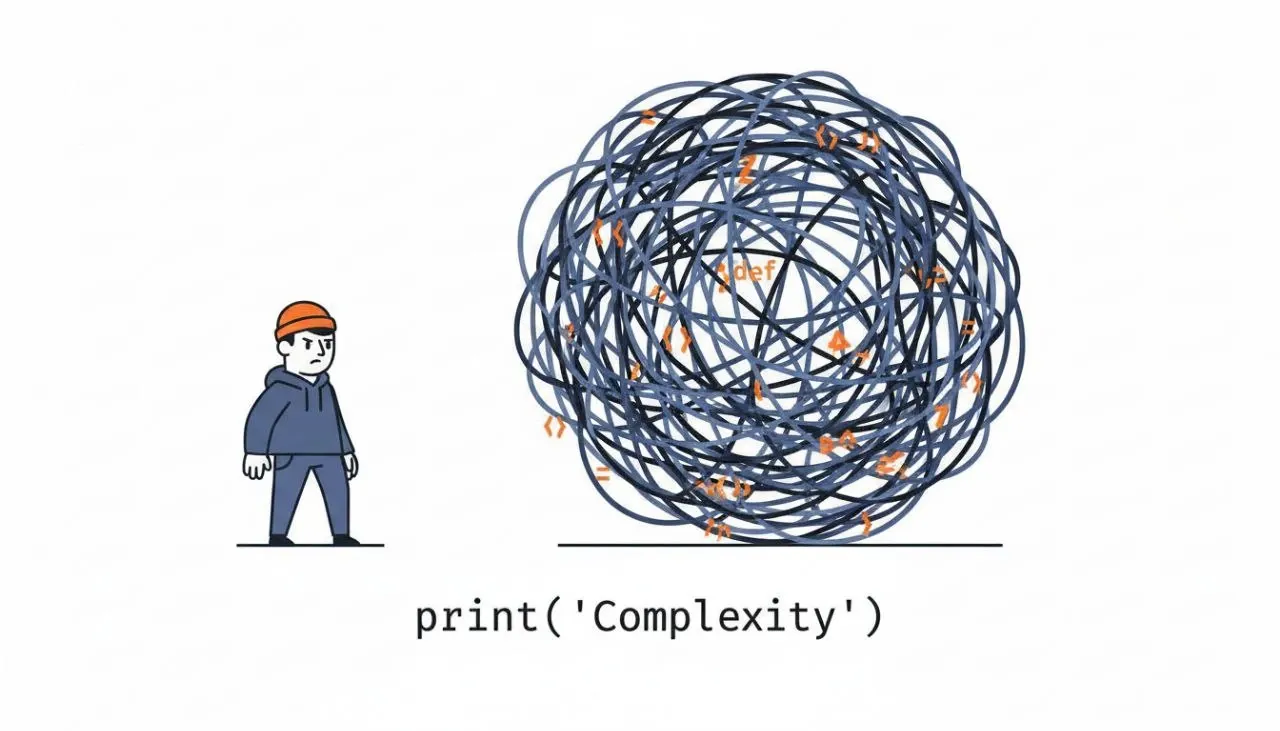
Need-Driven Development
The book suggests controlling the urge to add features just because customers ask for them or because a new technology makes them possible. Since adding features has become easier, the real question should often be: what can I remove from this project? It sounds simple, but in practice, removing is much harder than adding. That idea was a very useful reminder for me.
An Asynchronous Life
Removing unnecessary things is not just about code. One of the most interesting parts of the book was about how we work. In event-driven environments, where something constantly interrupts what you are doing, you need async and decoupled systems such as email, task lists, and Kanban boards.
That immediately reminded me of AI work. I personally use an issue tracker built around asynchronous workflows, mainly because I do not want to sit around waiting for AI to finish a task. The result has been better than I expected. In February alone, I used more than 2 billion tokens on personal projects. By breaking work into tasks, delegating everything delegatable to AI, and managing it asynchronously, I was able to keep a much better balance across life, parenting, work, and hobbies.
The Power of Sharing Technical Work
Sharing technical work multiplies your growth. Even if it feels a little embarrassing, it helps to show what you are doing.
For example, when you share a project or an idea with someone and they ask, "Why?" or "How is this different from X?" that is when a new layer of thinking begins. Writing blog posts works the same way. Once I start writing, I often gain more insight and end up answering questions I had postponed.
It is genuinely important to have people and an environment where those conversations can happen. Otherwise, you end up only consuming other people's ideas. When you start building, trying, studying, and then sharing, it creates a much healthier cycle.
Automation and a Second Brain
Whether it is sharing or building, none of it works well unless you manage memory and context. Human memory has limits. I forget things quickly, so I use Obsidian with the PARA method as a kind of second brain. In the book, the author describes how, after surgery, his memory was no longer fully reliable, so he automated his desktop environment, terminal, and many other parts of his life. His situation is different from mine, but the underlying idea is the same: reduce cognitive load through automation.
Never Stop Exploring
This was my favorite part of the book. It quotes George Bernard Shaw: "We don't stop playing because we grow old; we grow old because we stop playing." That line really landed for me. I want to stay a little reckless forever, but the older you get, the harder that becomes.
The author says he started programming in BASIC, and that if he had never moved on, he would probably still be messing around with punch cards. In my case, I would probably still be building things with ASP, JSP, or AMP. But we kept moving, kept learning, and kept adapting.
That idea fits the AI era perfectly. You have to keep exploring and keep executing. The moment you start treating new technology as a waste of time in the name of protecting the fundamentals, you begin to fall behind. Old and new technologies can feel like opposite poles, but when you actually study both, they often turn out to be separated by only a sheet of paper. The speed may differ, but they are often headed toward the same destination. The point is to enjoy the process.
The book also mentions Kent Beck's phrase, "Embrace Change." When you talk to people who embrace change and explore quickly, you can feel your own knowledge level rise. And when you talk to people who do not, you end up explaining things more. Honestly, that can be fun too. The book expresses quite elegantly how time spent exploring becomes useful later.
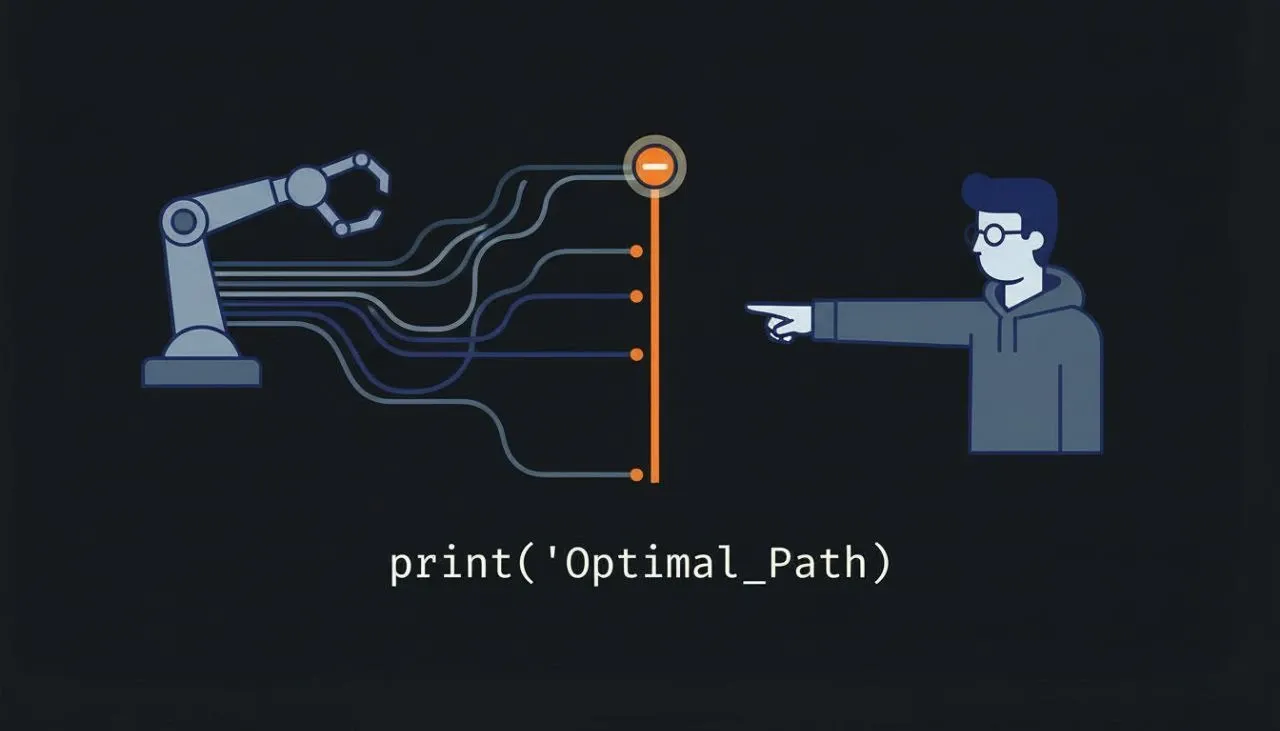
There is also more practical material in the book, such as testing and managing functional code in a data-driven way, but for that part I would recommend reading the book itself.
Closing Thoughts
I still cannot believe this was written by one of the authors of The Pragmatic Programmer. Reading it felt a bit like review and a bit like reset. There was a time when minimalism as a lifestyle became trendy, but I do not think I knew even one person who was really doing it properly. To me, minimalism is almost like a kind of discipline or spiritual training, something close to detachment. In the same way, many people may want to become minimalist programmers, but actually becoming one is extremely hard. I still have a long way to go. The book is not long, which also makes it a great one to read when you need a reset.
References
- David Thomas, Simplicity: Sustainable, Humane, and Effective Software Development, Hanbit Media
- David Thomas & Andrew Hunt, The Pragmatic Programmer
![[Book Review] The Software Engineer's Guidebook - A Book That Made Me Reflect on My Career](/_astro/software-engineer-guidebook-review-cover-20250217150000.Cr8TcTjm.webp)
![[Book Review] Beyond Vibe Coding - A Developer's Survival Guide](/_astro/review-beyond-vibe-coding-20251130095930841.B9WOKQ7C.webp)
![[Book Review] AI Vibe Coding Guide for Today's Teachers with the 2022 Revised Curriculum](/_astro/review-ai-vibe-coding-guide-with-2022-revised-curriculum-cover.BWxr1kAp.webp)