[Book Review] Effective Machine Learning Teams
- A practical review of Effective Machine Learning Teams centered on team operations.
- Clarifies why collaboration systems and delivery process often matter more than model tweaks.
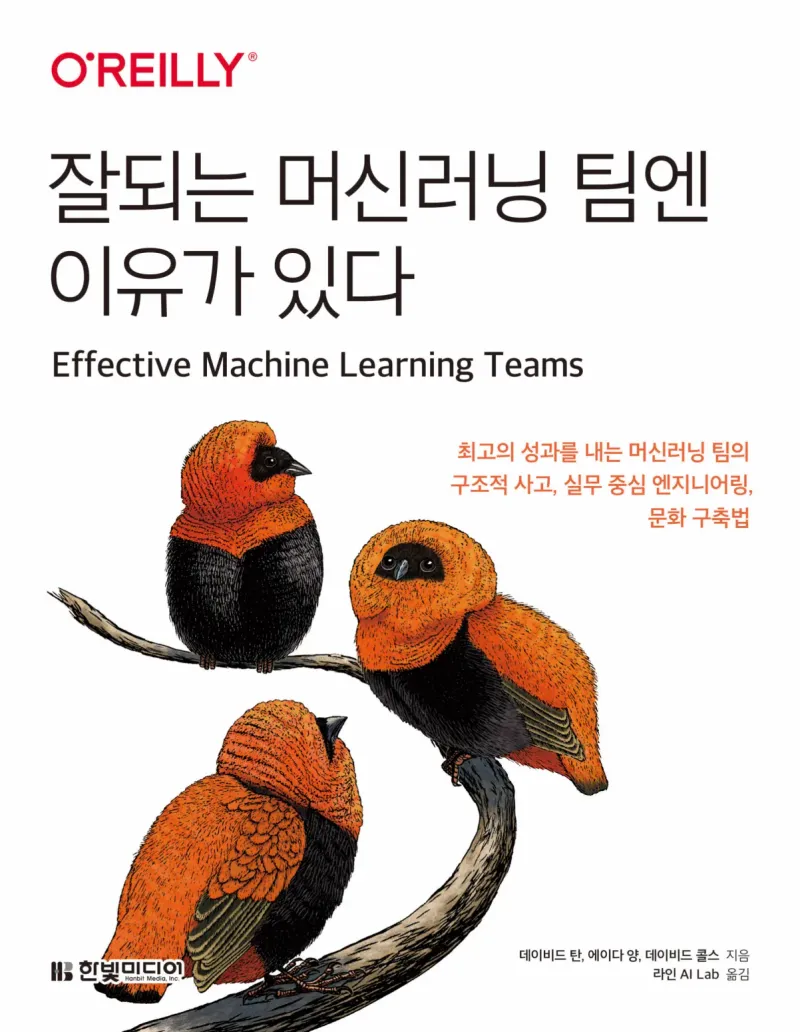
"This review was written after receiving a complimentary book through Hanbit Media's 'I Am a Reviewer' program."Before We Begin
If you're running an ML team or working on an ML project and wondering why it's so difficult, or if you feel like you're missing something beyond the technical aspects, I recommend this book. However, if you simply want to learn ML algorithms or data analysis techniques, I'd suggest looking elsewhere. This book will be more helpful if you already have basic knowledge of ML team operations and product development.
Introduction
Book Structure
This book is a practical guide for teams working with machine learning, organized into 3 core sections:
- Part 1: Product and Delivery
- Part 2: Engineering
- Part 3: Team
Summary
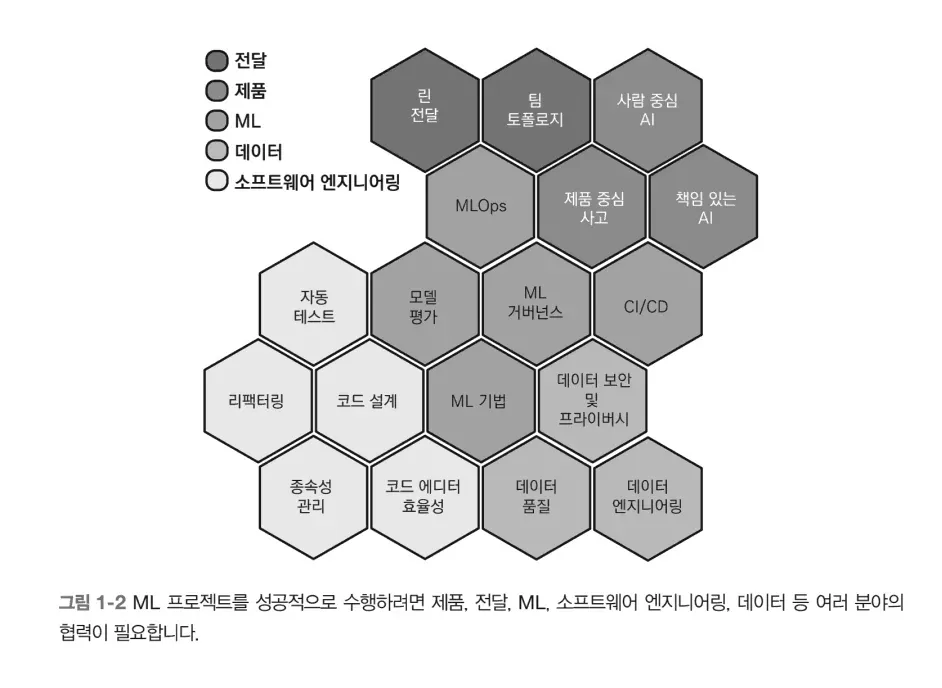
Core Message: ML Is Not Just a Technical Problem
The book's introduction clearly states that building ML products isn't simply about ML algorithms or data problems. It focuses on finding solutions centered around the concept of 'team' from a holistic perspective, exploring principles and practices that can help.
Part 1: Product and Delivery
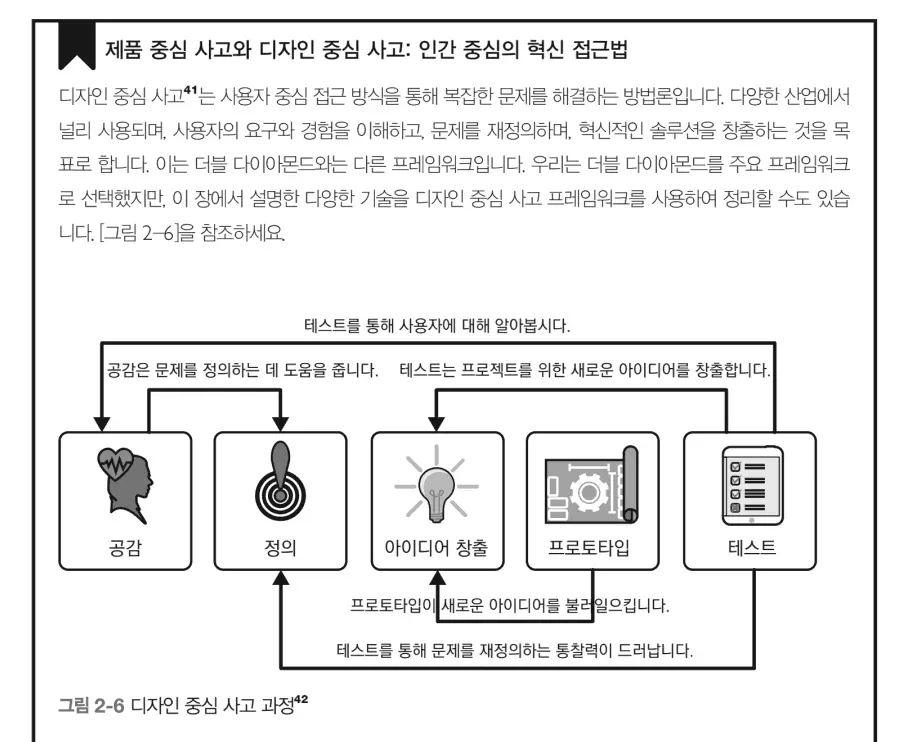
It covers the initial stages of service development using ML step by step. It systematically explains what's important throughout the entire process from idea collection, validation, delivery planning, to execution.
Part 2: Engineering
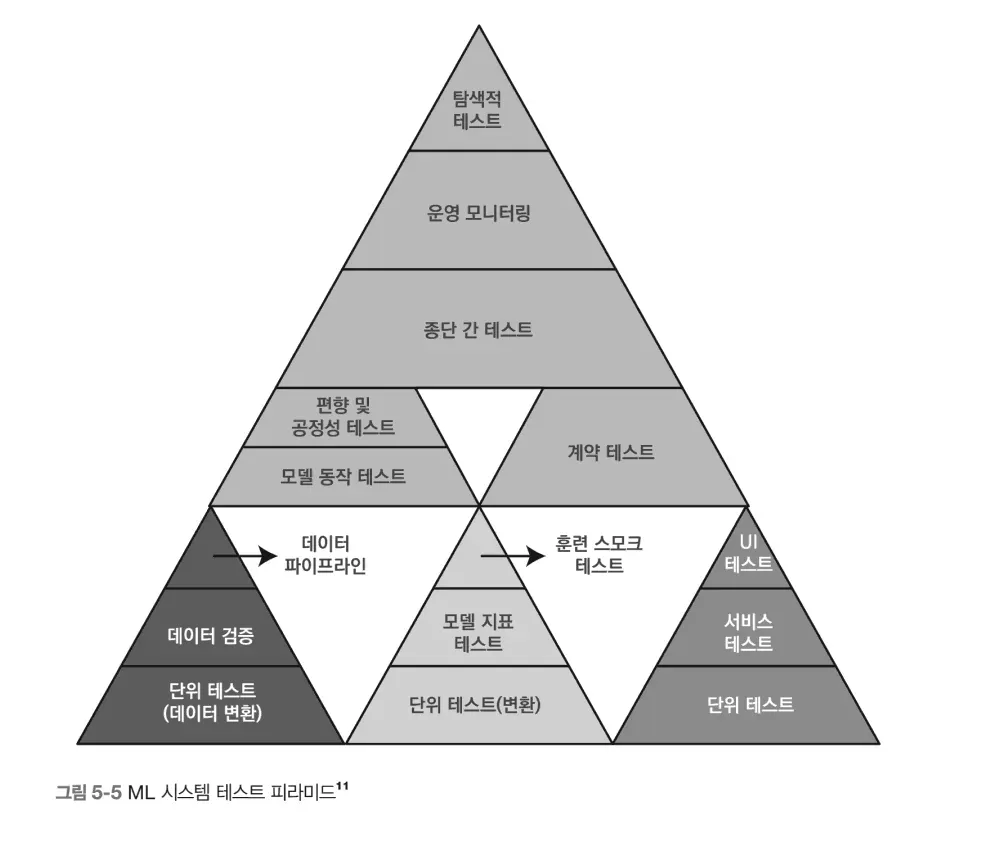
Starting with practical explanations of Docker, it emphasizes the importance of testing. It comprehensively covers not just general software testing, but also special testing methods unique to ML models.
It shows solutions for technical debt through refactoring, and the approach to realistic technical debt management techniques was particularly impressive. These aren't theoretical discussions but content that can actually be used in the field.
The section on overcoming human status quo bias and strategies for maintaining ML services in a healthy state was especially interesting. It's a realistic approach that considers not just technical issues but also human psychological characteristics.
Automated testing, security, pair programming, version control, trunk-based development, configuration and deployment automation, monitoring... It specifically explains how to apply strategies already proven in general software development to ML environments.
Part 3: Team
The team-related part contains information general enough to be helpful for any team. However, since it's explained in the context of ML teams, ML team-specific content appears throughout, which I found particularly engaging.

Conclusion
While working on ML projects, I was so focused on technical aspects that I missed many important things in team operations and product delivery processes. This book seems to fill those gaps well.
The concrete methods that can be applied immediately to practice rather than theory are especially valuable, and there's plenty of content worth trying out in our team right away.
![[Book Review] LLM Service Design and Optimization - A Guide to Building and Operating AI Services with Lower Costs and Maximum Performance](/_astro/review-large-language-model-based-solutions-20250526192513013.ByDDXwMp.webp)
![[Book Review] Essential Math for Developers](/_astro/review-essential-math-for-data-science-20240627155310251.BhKlJd0p.webp)
![[Book Review] Learning LangChain: Implementing RAG, Agents, and Cognitive Architecture with LangChain and LangGraph](/_astro/review-learning-langchain-20250629212214926.MxZbPAfN.webp)